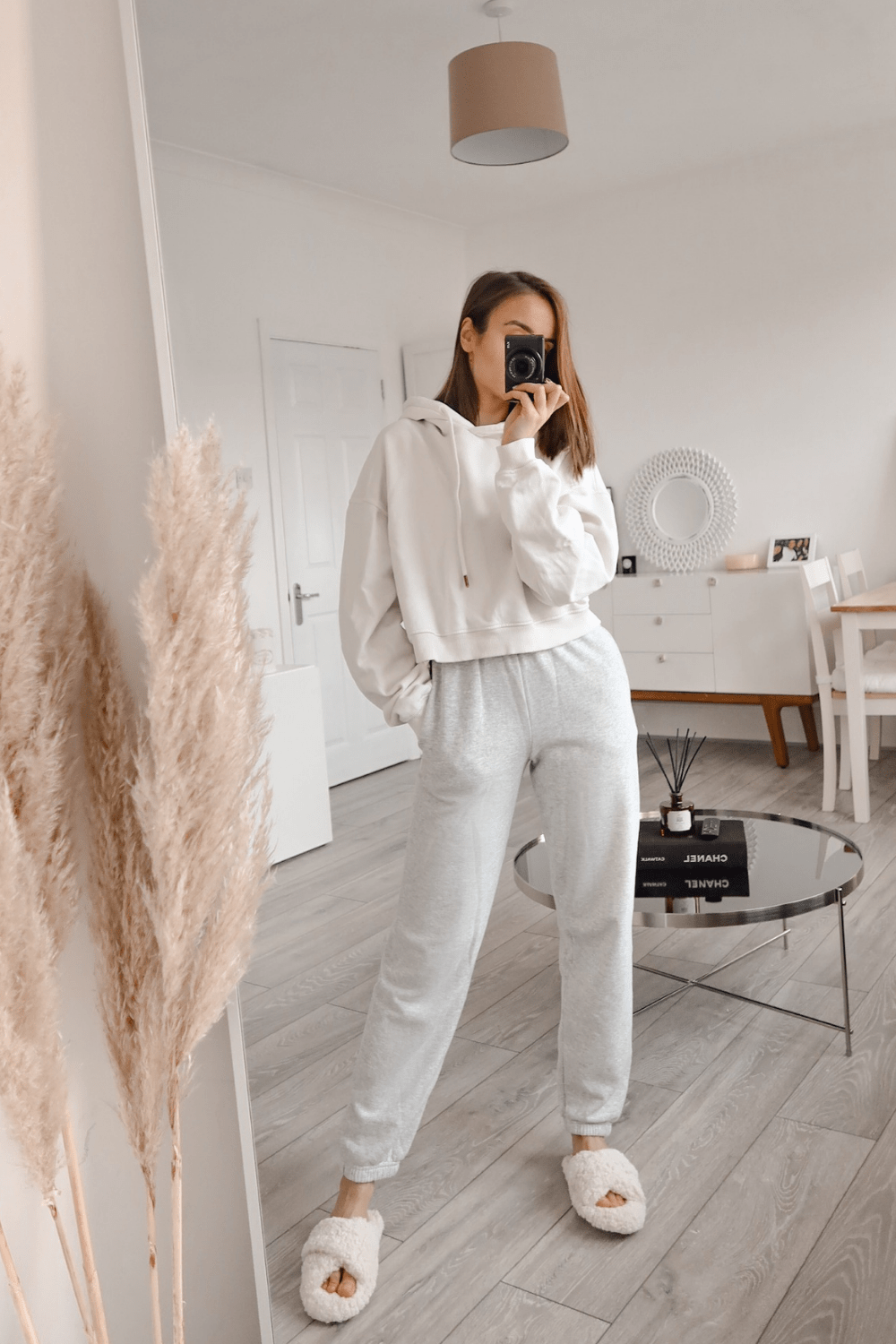
Comfortable attire suitable for professional environments encompasses a range of options, from relaxed-fit trousers and breathable blouses to practical knitwear and supportive footwear. Consider a scenario where an individual works in a casual office setting. Appropriate attire might include a soft, well-fitting pair of chinos, a breathable cotton shirt, and comfortable, low-heeled shoes.
Prioritizing employee comfort through appropriate attire can lead to increased productivity, improved morale, and a more positive work environment. Historically, workwear was often rigid and formal, prioritizing appearance over comfort. However, evolving workplace cultures recognize the link between well-being and productivity, leading to a shift towards attire that balances professionalism with personal comfort. This shift acknowledges that employees who feel physically comfortable are more likely to focus, perform effectively, and experience greater job satisfaction.
This exploration delves into specific garment choices, fabric considerations, and the impact of comfortable professional attire on various industries. Topics covered include selecting appropriate footwear, balancing comfort with professional dress codes, and the future of comfortable workwear.
1. Breathable Fabrics
Breathable fabrics play a crucial role in comfortable work attire. These materials allow air to circulate freely, facilitating the evaporation of perspiration and regulating body temperature. This breathability reduces the likelihood of overheating and discomfort, particularly during periods of physical exertion or in warm environments. For example, natural fibers like cotton and linen are highly breathable, making them ideal for workwear. Synthetic fabrics engineered for breathability, such as moisture-wicking polyester, also offer effective temperature regulation and comfort. Choosing breathable fabrics directly impacts the wearer’s physical comfort and overall well-being throughout the workday.
The practical significance of breathable fabrics extends beyond mere comfort. In professions requiring physical activity, breathable attire can improve performance and reduce the risk of heat-related illnesses. Office workers also benefit from breathable clothing, as it helps maintain a comfortable body temperature in climate-controlled environments, reducing distractions and promoting focus. Moreover, breathable fabrics often contribute to better hygiene, minimizing odor and maintaining a fresh feeling throughout the day. This can be particularly important in professional settings where maintaining a polished appearance is essential.
In summary, prioritizing breathable fabrics in workwear significantly contributes to comfort, well-being, and professional performance. While challenges such as cost and durability must be considered when selecting materials, the benefits of breathability remain a key factor in optimizing work attire for comfort and functionality. The ongoing development of innovative textile technologies continues to expand the range of breathable fabrics available, further enhancing the potential for comfortable and practical workwear.
2. Flexible Materials
Flexibility in workwear materials directly impacts comfort and range of motion. Garments constructed from flexible materials allow for ease of movement, reducing restrictions and enhancing physical comfort throughout the workday. This is particularly crucial for roles involving physical tasks, bending, or reaching. Consider a healthcare professional who needs to move quickly and comfortably between patients. Flexible scrubs allow for unrestricted movement, facilitating efficient task completion and reducing physical strain. Similarly, office workers benefit from flexible clothing, as it promotes comfort during prolonged periods of sitting or moving around the workspace.
The practical significance of flexible materials extends beyond basic comfort. Increased range of motion contributes to improved posture and reduced risk of musculoskeletal injuries. Flexible fabrics also tend to drape more naturally, enhancing both comfort and aesthetic appeal. This can be especially relevant in client-facing roles where professional appearance is essential. For example, a salesperson wearing a flexible suit can move comfortably and confidently during presentations, projecting a professional and approachable image. Furthermore, flexible materials often enhance the durability of garments, allowing them to withstand regular wear and tear without losing their shape or comfort.
In summary, incorporating flexible materials is essential for optimizing workwear comfort and functionality. While the specific material choices may vary depending on the profession and work environment, the underlying principle remains consistent: flexibility contributes to greater comfort, improved performance, and a reduced risk of physical strain. This understanding underscores the importance of prioritizing flexible materials in the design and selection of comfortable and practical workwear.
3. Proper Fit
Proper fit is paramount in achieving comfortable work attire. Garments that fit correctly allow for unrestricted movement, prevent chafing and discomfort, and contribute to a professional appearance. Ill-fitting clothing can restrict circulation, cause discomfort, and detract from a polished image. The relationship between proper fit and comfort is demonstrably causal: a well-fitted garment promotes comfort, while poorly fitting clothing leads to discomfort. For instance, a tailored blazer that allows for comfortable arm movement contributes to overall comfort, while a too-tight blazer restricts movement and causes discomfort. Similarly, trousers that fit well at the waist and hips allow for comfortable sitting and standing, while ill-fitting trousers can dig into the skin and restrict movement.
The practical significance of proper fit extends beyond mere physical comfort. Well-fitting clothing enhances confidence and professionalism, contributing to a positive self-image and a more polished presentation. Consider a lawyer presenting a case in court. A properly fitted suit conveys professionalism and credibility, while an ill-fitting suit can detract from the lawyer’s overall presence. In contrast, a chef working in a fast-paced kitchen requires comfortable, properly fitted chef’s whites that allow for a full range of motion without hindering performance. These examples illustrate how proper fit contributes to both comfort and professional effectiveness across diverse professions.
In conclusion, proper fit is an indispensable component of comfortable work attire. While achieving proper fit may require tailoring or careful size selection, the resulting benefits in terms of comfort, confidence, and professional presentation are substantial. Addressing challenges like fluctuating body sizes or variations in garment sizing remains crucial. Understanding the direct link between proper fit and comfort underscores the importance of prioritizing this aspect when selecting and maintaining professional attire.
4. Supportive Footwear
Supportive footwear is an integral component of comfortable work attire, significantly impacting overall comfort and well-being, particularly for individuals who spend extended periods standing or walking. Its importance stems from its direct influence on posture, foot health, and energy levels throughout the workday. Ignoring footwear support can lead to discomfort, fatigue, and potential long-term health issues, underlining the need for careful consideration in footwear selection.
-
Ergonomic Design
Ergonomically designed footwear provides crucial support to the arches and heels, promoting proper foot alignment and reducing strain on the feet, ankles, and legs. Features like contoured footbeds, arch support, and adequate cushioning contribute to improved comfort and reduced fatigue. For example, nurses who spend long hours on their feet benefit significantly from shoes with excellent arch support and cushioning, minimizing foot and leg fatigue. Similarly, construction workers require sturdy boots with reinforced support to protect their feet and ankles while navigating uneven terrain.
-
Material and Breathability
The materials used in footwear directly impact comfort and breathability. Natural materials like leather allow for better air circulation, reducing moisture buildup and promoting a healthier foot environment. Moisture-wicking fabrics also contribute to comfort by preventing sweat buildup and maintaining a dry feel. Choosing breathable materials helps prevent foot odor and discomfort, particularly in professions requiring prolonged periods of enclosed footwear. For instance, chefs working in hot kitchens benefit from breathable, slip-resistant clogs that maintain comfort and safety.
-
Fit and Stability
Proper fit is crucial for footwear comfort and stability. Shoes that are too tight or too loose can lead to discomfort, blisters, and instability, increasing the risk of falls and injuries. Selecting the correct size and ensuring adequate toe room are essential for maintaining foot health and comfort. Individuals working in physically demanding jobs, such as warehouse staff, benefit from well-fitting safety shoes that provide both comfort and protection. Properly fitted footwear also improves balance and reduces the risk of slips and falls, crucial for maintaining workplace safety.
-
Impact Absorption
Impact absorption is a critical feature of supportive footwear, particularly for jobs involving frequent walking or standing on hard surfaces. Shoes with effective shock absorption reduce the impact on joints, minimizing strain on the knees, hips, and back. This feature is essential for professions like teaching or retail, where individuals spend considerable time on their feet. Adequate impact absorption contributes to long-term joint health and reduces the risk of musculoskeletal injuries.
In conclusion, the careful selection of supportive footwear is essential for overall comfort and well-being in the workplace. By considering factors like ergonomic design, material breathability, proper fit, and impact absorption, individuals can significantly improve their comfort levels and reduce the risk of work-related foot and leg problems. Integrating supportive footwear into a comprehensive approach to comfortable work attire contributes to increased productivity, improved morale, and a healthier work environment.
5. Appropriate Style
Maintaining an appropriate style within the context of comfortable work clothes requires a nuanced understanding of professional dress codes and industry-specific expectations. Balancing comfort with presentability is crucial for projecting a professional image while maintaining personal well-being. This balance necessitates careful consideration of garment choices, fabric types, and overall aesthetic coherence. Navigating this intersection of comfort and style is essential for creating a professional and productive work environment.
-
Adherence to Dress Codes
Dress codes provide a framework for appropriate attire within professional settings. Understanding and adhering to these codes is fundamental for maintaining a professional image while prioritizing comfort. Dress codes can range from formal business attire to casual business casual, each with specific implications for garment choices. For example, a law firm might require formal suits, while a tech startup might allow for jeans and t-shirts. Navigating these variations requires careful consideration of industry norms and specific workplace guidelines. Selecting comfortable clothing that aligns with established dress codes demonstrates professionalism and respect for workplace culture.
-
Industry-Specific Norms
Beyond formal dress codes, many industries have unwritten style norms that influence appropriate attire. These norms often reflect the practical demands and cultural expectations of specific professions. For instance, healthcare professionals typically wear scrubs for hygiene and functionality, while creative industries might embrace a more relaxed and expressive style. Understanding these industry-specific nuances is essential for selecting comfortable clothing that aligns with professional expectations. Adapting attire to the specific demands of a profession contributes to both comfort and professional credibility.
-
Balancing Comfort and Professionalism
The key to appropriate style lies in striking a balance between comfort and professionalism. Prioritizing comfort should not compromise the overall professional image projected by attire. This balance can be achieved by selecting comfortable fabrics and silhouettes that maintain a polished and presentable aesthetic. For example, opting for breathable, well-fitting trousers and a crisp button-down shirt can provide both comfort and professionalism. Avoiding overly casual or revealing clothing ensures a respectful and professional appearance while maintaining personal comfort.
-
Individual Expression within Boundaries
While adherence to professional standards is paramount, appropriate style also allows for a degree of individual expression. Personal style can be incorporated through accessories, color choices, and subtle variations in garment styles, while remaining within the boundaries of professional expectations. Expressing individuality through attire can contribute to a positive self-image and a more engaging work environment. However, maintaining a balance between self-expression and professional appropriateness is crucial for projecting a credible and respectful image.
In conclusion, appropriate style in the context of comfortable work clothes involves a careful consideration of dress codes, industry norms, and the balance between comfort and professionalism. By understanding these factors and incorporating individual expression within established boundaries, individuals can create a work wardrobe that promotes both comfort and professional success. This approach fosters a positive and productive work environment where individuals feel comfortable, confident, and empowered to perform at their best.
Frequently Asked Questions
This section addresses common inquiries regarding comfortable attire in professional settings.
Question 1: How can one balance comfort with professional dress codes?
Balancing comfort and dress codes requires understanding the nuances of the specific code. Opting for breathable, natural fabrics like cotton or linen can provide comfort while maintaining a professional look. Well-fitting garments in classic styles also contribute to a polished appearance while allowing for ease of movement. Prioritizing quality over quantity allows for investment in comfortable, durable pieces that meet professional standards.
Question 2: Are there specific fabrics recommended for maximizing comfort in workwear?
Natural fibers like cotton, linen, and silk offer excellent breathability and comfort. Merino wool provides temperature regulation and moisture-wicking properties. High-quality synthetic fabrics engineered for breathability and moisture management can also be suitable options. Fabric selection should consider the specific work environment and the level of physical activity involved.
Question 3: What role does footwear play in overall workplace comfort?
Footwear plays a critical role in overall comfort, particularly for those who spend extended periods standing or walking. Supportive, well-fitting shoes with adequate cushioning and arch support are essential. Breathable materials and proper fit prevent discomfort and promote foot health. Selecting appropriate footwear contributes significantly to reducing fatigue and promoting overall well-being.
Question 4: How can individuals adapt comfortable attire to different workplace environments?
Adapting attire to different environments involves understanding the specific demands and expectations of each setting. Formal office environments might require more structured garments, while casual workplaces allow for greater flexibility. Considering factors like climate, physical activity levels, and industry norms allows for informed choices that prioritize both comfort and appropriateness.
Question 5: What are common misconceptions regarding comfortable workwear?
A common misconception is that comfortable workwear equates to casual or unprofessional attire. Comfort can be achieved while maintaining a professional appearance through careful selection of fabrics, styles, and fit. Another misconception is that comfortable workwear is necessarily expensive. Cost-effective options that prioritize comfort and professionalism are readily available through strategic shopping and prioritization of quality over quantity.
Question 6: How can employers promote a culture of comfortable yet professional attire in the workplace?
Employers can promote such a culture by providing clear and flexible dress code guidelines that prioritize both comfort and professionalism. Encouraging open communication regarding attire expectations can foster a positive and productive work environment. Leading by example through management’s attire choices can also reinforce the importance of both comfort and professionalism.
Prioritizing comfort in work attire contributes significantly to employee well-being, productivity, and overall job satisfaction. Addressing individual needs and preferences within the context of professional standards creates a positive and productive work environment.
The following section explores the future of comfortable workwear and the ongoing evolution of professional attire.
Tips for Optimizing Workplace Attire
These practical tips offer guidance on selecting and maintaining attire that prioritizes both comfort and professionalism.
Tip 1: Prioritize Breathable Fabrics: Natural materials such as cotton, linen, and silk offer excellent breathability, allowing air circulation and reducing discomfort from overheating. Synthetic fabrics designed for moisture-wicking can also be effective. Selecting breathable materials is particularly important for individuals working in warm environments or engaging in physical activity.
Tip 2: Ensure Proper Fit: Well-fitting garments allow for ease of movement and prevent chafing or discomfort. Proper fit contributes to both physical comfort and a professional appearance. Tailoring existing garments or carefully selecting appropriately sized clothing can significantly enhance comfort and presentability.
Tip 3: Invest in Supportive Footwear: Supportive footwear is crucial for overall comfort, particularly for individuals who spend extended periods standing or walking. Selecting shoes with adequate arch support, cushioning, and proper fit minimizes foot fatigue and promotes good posture. Investing in high-quality, supportive footwear contributes significantly to long-term comfort and well-being.
Tip 4: Consider Layering: Layering clothing allows for adaptability to fluctuating temperatures and varying levels of activity throughout the workday. Layering lightweight, breathable garments provides flexibility and ensures consistent comfort in changing environments.
Tip 5: Choose Functional Accessories: Accessories such as comfortable belts, supportive hosiery, and practical bags contribute to overall comfort and functionality. Selecting accessories that complement attire and enhance practicality can improve both comfort and professional appearance.
Tip 6: Maintain Clothing Properly: Proper care and maintenance of garments contribute to their longevity, comfort, and overall appearance. Following care instructions, ironing or steaming as needed, and storing clothing appropriately preserves its quality and ensures continued comfort.
Tip 7: Adapt Attire to the Specific Work Environment: Consider the specific demands and expectations of the work environment when selecting attire. Formal office settings may require more traditional attire, while casual workplaces allow for greater flexibility. Adapting clothing choices to the specific context ensures both comfort and appropriateness.
Tip 8: Prioritize Quality over Quantity: Investing in fewer, high-quality garments often provides greater long-term comfort and value than accumulating a large quantity of lower-quality items. Durable, well-made clothing maintains its comfort and appearance over time, contributing to a more sustainable and comfortable wardrobe.
By implementing these tips, individuals can cultivate a work wardrobe that prioritizes both comfort and professionalism, ultimately enhancing well-being and productivity in the workplace.
The concluding section synthesizes key themes and offers final reflections on achieving comfort and style in professional attire.
Conclusion
This exploration has examined the multifaceted nature of comfortable work attire, emphasizing the crucial interplay between comfort, professionalism, and functionality. Key considerations include prioritizing breathable fabrics like cotton and linen, ensuring proper fit for unrestricted movement, and selecting supportive footwear to minimize strain. Adapting attire to specific work environments and individual needs, while adhering to professional dress codes, remains essential. The analysis highlighted the significant impact of comfortable workwear on employee well-being, productivity, and overall job satisfaction. Furthermore, the discussion underscored the importance of balancing individual expression with workplace expectations, enabling employees to feel comfortable, confident, and empowered in their professional roles.
The evolution of workplace attire reflects a growing recognition of the profound impact of clothing on individual performance and well-being. As workplace cultures continue to evolve, prioritizing comfort in professional attire will likely become increasingly important. Further research and development in textile technology and ergonomic design promise innovative solutions for enhanced comfort and functionality in workwear. Ultimately, embracing comfortable work clothes signifies a commitment to fostering a more positive, productive, and inclusive work environment where individuals can thrive both personally and professionally.